
-
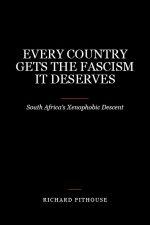
Every Country Gets the Fascism It Deserves
USD $ 5 USD $ 12Price range: USD $ 5 through USD $ 12Select options This product has multiple variants. The options may be chosen on the product page
Every Country Gets the Fascism It Deserves
USD $ 5 USD $ 12Price range: USD $ 5 through USD $ 12Every Country Gets the Fascism It Deserves documents the systematic construction of xenophobic violence as a political project in post-apartheid South Africa. Richard Pithouse traces how the state, media and organised political forces have cultivated hatred against migrants, transforming social pain into organised cruelty.
The book begins with the May 2008 pogroms that killed 62 people and displaced 100,000, showing how the mob followed the logic of a state that had already begun dehumanising migrants. It documents the rise of the All Truck Drivers Foundation, which murdered more than 200 drivers in organised attacks, and the subsequent emergence of Operation Dudula and March and March—well-funded astroturfed movements that normalised fascist language and violence.
Pithouse reveals the complicity of the police, media and major political parties—including the ANC, DA, MKP, ActionSA and Patriotic Alliance—in legitimating xenophobic violence. He shows how the mob and state have collaborated to drive more than 150,000 people across South Africa’s borders in a matter of weeks, with government infrastructure facilitating mass deportation.
Drawing on the work of Aijaz Ahmad, Alain Badiou and Richard Seymour, Pithouse argues that the erosion of democratic norms, the reactivation of ethnic mobilisation, and the normalisation of sadism constitute a fascist challenge to the constitutional order. The book insists that the answer to the far right is never to move rightward, but always to build a politics of universal solidarity rooted in the principle that a person is a person wherever they may find themselves.
With a foreword by Michael Neocosmos and an afterword by Abahlali baseMjondolo founder S’bu Zikode, this is an urgent account of a country’s descent into organised cruelty—and a powerful call for a politics of human dignity.
This essay was originally published on Richard Pithouse’s Substack: https://substack.com/profile/143275356-richard-pithouse
Select options This product has multiple variants. The options may be chosen on the product page -
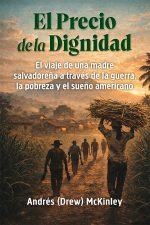
El Precio de la Dignidad
USD $ 21Select options This product has multiple variants. The options may be chosen on the product page
El Precio de la Dignidad
USD $ 21Este libro narra la conmovedora historia de Patrocinia Polanco Rivas, una campesina salvadoreña que personifica la lucha por la dignidad en medio de la adversidad. A través de su testimonio y el análisis del autor Andrés McKinley, la obra recorre su vida, desde una infancia marcada por la pobreza extrema y la opresión de la oligarquía cafetalera, hasta su participación en la guerra civil como operadora de radio del FMLN tras el asesinato de su mentor, el padre Rutilio Grande. La guerra le arrebata a su padre, pero forja en ella una resistencia inquebrantable.
Tras los Acuerdos de Paz de 1992, la esperanza de una vida digna se desvanece ante la persistente pobreza y las políticas neoliberales que mantienen a las familias campesinas en la miseria. Para sobrevivir, Patrocinia trabaja incansablemente cortando caña de azúcar, mientras la falta de oportunidades lleva a su esposo y, posteriormente, a sus seis hijos a emprender el peligroso viaje migratorio hacia Estados Unidos. El libro documenta los horrores de este periplo: el abandono, la extorsión, el secuestro y la constante amenaza de la muerte.
Una vez en el norte, los hijos de Patrocinia se enfrentan a la dura realidad de la vida indocumentada y a la maquinaria represiva del ICE, especialmente bajo la administración de Donald Trump. La autora establece un poderoso paralelismo entre la violencia de los escuadrones de la muerte en El Salvador y la persecución sistemática de los migrantes.
El Precio de la Dignidad es un testimonio de la resiliencia humana, mostrando que la dignidad no reside en el éxito de la lucha, sino en la propia lucha, un legado que Patrocinia heredó de su padre. El libro se erige como un recordatorio urgente de las consecuencias humanas de la guerra, de la injusticia económica y de las políticas migratorias despiadadas.
Select options This product has multiple variants. The options may be chosen on the product page