
-
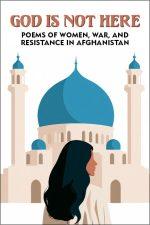
God Is Not Here
God Is Not Here is a collection of 50 poems written in response to the profound political, social, and human crisis in Afghanistan, particularly the systematic erasure of women from public life under an extremist and patriarchal regime. Through poetry, the collection records the experiences of women living under restrictions, fear, forced silence, and the loss of their fundamental freedoms.
At the heart of the collection is the belief that writing can be an act of resistance. When women are denied the right to speak, study, work, move freely, and participate in society, poetry becomes a way of reclaiming voice and presence. These poems transform personal pain, fear, anger, grief, and isolation into language, testimony, and resistance.
The collection moves between intimate and collective experiences. Kabul and Kandahar appear as landscapes marked by grief, memory, war, silence, and survival. Images of walls, abandoned cities, mosques, darkness, pomegranates, flowers, butterflies, and women’s bodies create a tension between confinement and freedom, death and life, silence and speech.
The poems also question the use of religion and morality as instruments of control, confronting the contradictions between religious rhetoric and the violence inflicted upon women in its name. At the same time, the collection insists that women remain capable of hope, dignity, awareness, and resistance even under extreme conditions.
The central argument is that the suffering of Afghan women must not disappear into silence or be forgotten by history. The poems seek to preserve the voices and experiences of women who have been pushed out of public space and to challenge the idea that silence means consent.
Ultimately, God Is Not Here is both a personal and collective act of resistance: an attempt to turn pain into art and confinement into voice, and a testament to the power of the pen and a hope for freedom and awareness.