

Amrit Wilson
Amrit Wilson is a writer and activist on issues of race and gender in Britain and South Asian politics. She is a founder member of South Asia Solidarity Group and the Freedom Without Fear Platform, and board member of Imkaan,…
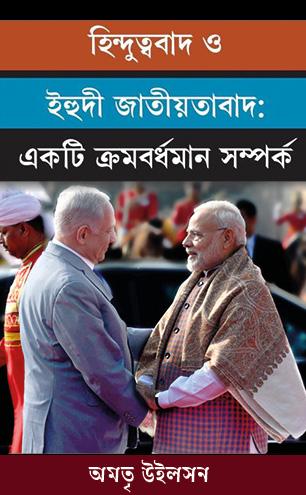
This is a Bengali translation of Hindutva and its relationship with Zionism, by Amrit Wilson: ISBN 978-1-990263-76-7. Written in December 2022, this text is based on a lecture given earlier at the invitation of the Institute of Palestine Studies. Since then, the relationship between Israel and India has deepened further and atrocities have skyrocketed in both countries. On 5 April 2023, Israeli forces stormed Al Aqsa Mosque compound in occupied East Jerusalem and attacked worshippers inside. At the same time, Israel is facing internal turmoil in a battle between a diverse group, including those who think the current settler colony is a democratic nation and want things to remain as they are, and those who stand even further to the right. Significantly, the BJP, India’s ruling party, supports the latter. This book is about Hindutva, the ideology which drives the Hindu-supremacist Bharatiya Janata Party (BJP) regime of Prime Minister Narendra Modi, and Zionism, the ideology of the Israeli apartheid state. In this era of rising fascism, these two remarkably similar ideologies are crucially important in cementing the economic and military alliance between two of the world’s most repressive right-wing states – while helping to legitimize them in cultural arenas. Israel is, of course, a settler colonial state, but it is also, like India, a fascist state, not only because of ‘the extremist parties that [are] part of the government’ but also because of ‘their enablers – Netanyahu and his chauvinistic Likud party which long strove for a Jewish state dominating both sides of the Jordan River.’ In the words of Marwan Bishara, Netanyahu is ‘the godfather of modern Israeli fascism.’ This essay focuses primarily on Hindutva, discussing Zionism mainly to highlight its similarities, links and increasing alliances with Hindutva.
USD $ 5.00 USD $ 10.00Price range: USD $ 5.00 through USD $ 10.00
Amrit Wilson is a writer and activist on issues of race and gender in Britain and South Asian politics. She is a founder member of South Asia Solidarity Group and the Freedom Without Fear Platform, and board member of Imkaan,…
| Book Format | Print Book, PDF |
|---|
There are no reviews yet.
Only logged in customers who have purchased this product may leave a review.

À rebours des thèses soutenant que la migration contribue au développement ou que l’in- vestissement dans le développement réduit la croissance de la migration « irrégulière », ce livre marque une rupture tonifiante avec les idées communes abondamment véhiculées dans la littérature sur les liens entre migration, mobilités et développement en Afrique. Il accorde un intérêt manifeste pour la plus grande part des mobilités africaines, lesquelles se situent à l’intérieur du continent, et à la formation des diasporas en dehors des fron- tières nationales et continentales. Cette considération conjointe des mobilités « Sud-Sud » et « Sud-Nord » permet de remettre en cause l’hypothèse selon laquelle il existe des diffé- rences fondamentales entre elles.
Cet ouvrage examine les fluctuations ordinaires des mouvements de populations – à travers l’Afrique, comme dans le reste du monde –, qui étendent les familles, génèrent de nouvelles relations, reconfigurent les connexions économiques et politiques, et sont intégrées dans l’expérience quotidienne des millions de personnes qui y prennent part.
The in-depth knowledge of the mostly African authors adds to the quality of a research field, which was for long far too Eurocentric. – Ilke ADAM, Vrije Universiteit Brussel (Belgium)
Il était temps de mettre en lumière ce que migration et mobilité représentent en Afrique. L’ouvrage offre une perspective originale et décoloniale sur le sujet. – Eric HAHONOU, Roskilde Universitet (Denmark)
Christian Bouquet, « Quelques éclairages nouveaux sur les migrations africaines », EspacesTemps.net [En ligne], Books, 2020 | Mis en ligne le 20 November 2020, consulté le 20.11.2020. URL : https://www.espacestemps.net/en/articles/quelques-eclairages-nouveaux-sur-les-migrations-africaines/ ; DOI : 10.26151/esapcestemps.net-jc2a-6b03
Avec la participation de John O. IGUE, Saydou KOUDOUGOU, Pierre-Joseph LAURENT, Bassirou MALAM SOULEY, Hamidou MANOU NABARA, Marème NIANG NDIAYE, Amadou SARR DIOP, Sadio SOUKOUNA , Eric Stève TAMO MBOUYOU et Astadjam YAOUBA.
COVID-19 has exposed the racialized nature of food systems, but also potentially grants opportunities to build anew. Maywa Montenegro explores a series of breakdowns, from fractured supply chains to uncontrolled infection among essential food workers to Black, Brown, and Indigenous communities scythed through by the virus along old grooves of race-class oppression. She traces the likely origins of COVID-19 to spillover sites forged by agroindustrial expansion into forested regions where pathogens spring free and infect humans. Industrial animal agriculture drives these ecological changes that incubate future outbreaks. Pandemics have their roots in the violent separation of communities from their territories, seeds, knowledge and wealth. Racism enables such theft as fundamental to capitalist expansion.
To tackle pandemics and food injustices, Montenegro calls for an abolitionist agroecology. No anti-capitalist alternative can ignore the racism that is central to the transnational industrial food system. Scholars including Angela Davis, Ruth Wilson Gilmore, and Mariame Kaba have argued that although abolition is frequently seen as an oppositional strategy — to eradicate, for example, prisons and police — abolition is equally propositional. An abolitionist agroecology cracks open multiple possibilities that respond to the exigencies of a pandemic planet — there is no ‘normal’ to which we can safely return.

어떻게 자본주의를 넘어설 것인가라는 질문에 대한 답을, 지금 우리가 “감히” 찾아보려고 한다. 이 소책자를 통해, 자본주의를 벗어나 생태사회주의로 향하는 길을 찾는 우리의 노력이 뚜렷해지길 바란다.
자본주의에 갇힌 우리는, 어떤 형태로든 행동 또는 비행동inaction에 관여하고 있다. 행동은, 자본주의를 직접 마주하기 보다는 자본주의가 초래하는 심각한 여러 문제를 개선하기 위한 투쟁에 참여하는 모습을 띈다. 즉, 우리의 행동은 원인이 아니라 결과에 초점을 맞추는 모순을 보인다.
반면, 비행동은 동의를 의미하게 된다. 우리는 자본주의 경제 체계를 영속시키는 경제 활동에 문제 제기를 하거나 변화를 요구하는 행동을 하지 않음으로써 자본주의에 [암묵적으로] 동의하고 있다. 결과적으로 평범한 우리가 자본주의에 봉사하는 자본가 역할을 계속하고 있는 것이다.
왜 자본주의 억압의 대상인 우리가 억압에 동의하는가? 그 이유가 단지 [외부의] 탄압 때문만은 아니라고, 이탈리아 파시즘 하의 감옥에서 그람시Antonio Gramci는 말했다. 즉, “헤게모니”를 장악하는 이념이 우리의 삶을 둘러싼 억압적인 환경을 설명하고 정당화하는 것이다.
“소소한 혁명”은, 개개인의 삶 속에서, 쉽고 안전하게, 엄청 근사하지는 않지만 일상적이고 실천가능한 행동과 비행동을 얘기한다. 지금까지의 혁명사는, 혁명을 가능하게 했던 전체 민중보다는 소수의 혁명가에 주목했었지만, 자본주의에 맞서는 “우리는” 마르크스나 엥겔스가 떠올렸던 주인공들보다 훨씬 다양하고 규모가 커졌다. 자본주의를 수호하기 위해 싸우는 “그들은” 전 세계 인구의 극소수일 뿐이다.
자본주의의 어떤 특징이 억압적이고 그래서 제거되어야 하는지, 또 반대로 어떤 사회경제구조의 특징이 억압적이지 않으며 그래서 남겨져야 하는지를 뚜렷이 설명하는 전략이 필요하다. 자본주의 이후 사회가 어떤 모습이어야 할지는 점점 명확해지고 있다. 소소한 혁명은, 자본주의의 영속과 발전에 필수적인 과정에 대한 우리의 동의를 거두는 데에서 시작하여, 수 백 만의 우리가, 여전히 적은 소수이긴 하지만, 건설적인 혹은 파괴적인 노력에 창의적으로 참여할 수 있는 방법 또한 포함한다.
세상은 자본주의 그 이후로 이미 진행 중이다. 세계 곳곳에서 창의적인 모습의 공동체communal organization들이 생겨나 스스로 통치하고 구성원들의 생존과 안녕을 보장하기 위해 활동하고 있다. 복지 국가를 포함한 자본주의 국가를 넘어서는 것은 국가 자체를 넘어서는 결과로 이어진다. 연대 경제solidarity economy는 먼저, 소규모의 협동조합 성격을 띄는, 저렴하고 유쾌하고 편안한 주거 공간을 구성하는 방법을 모색하여, 착취적인 임대료, 빚, 세금, 보험에 대한 공동의 해결책을 제시한다. 또한 이러한 공동체는, 영양이 풍부한 먹거리를 지역에서 생산하여 유통하는 방법으로, 자본주의식 농업으로부터 독립을 꾀할 수 있다.
창조적 파괴는, 허가를 받아 하는 대규모의 시위가 아니라 자본주의가 순조롭게 기능할 수 없게 멈추거나 둔화시키는 직접 행동으로 가능하게 된다. 우리가 투자나 세금으로 흘러가게 내버려 두는 돈의 흐름을 비자본주의적인 연대경제에 돌리는 것도 창조적 파괴의 한 방법이다.
소소한 혁명은, 간단하고 안전하며, 자신의 삶을 조금이라도 바꾸고 싶은 의지가 있는 사람이라면 실천가능하다. 자본주의가 우리의 안녕과 행복을 파괴하는 체계라는 것을 알면서도, 부지불식간에 자본주의를 지지하고 동의하는 행동을 멈추는 즐거움을 누릴 수 있다. 놀랍게도 혁명을 위해 다치거나 죽지 않아도 되고, 심지어 큰 불편을 감수하지 않아도 된다. 우리가 해야 할 일은 단 하나. 어차피 하기 싫었던 여러 일들을 이제 정말 그만두는 것이다.
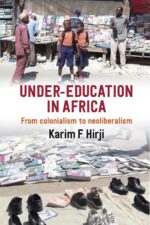
Under-Education in Africa: From Colonialism to Neoliberalism is a collection of essays on diverse aspects of educational systems that were written over a period of four and a half decades, written from the point of view of an activist educator.
With the focus on Tanzania, they cover education in the German colonial era, the days of Ujamaa socialism and the present neo-liberal times. Themes include the social function of education, the impact of external dependency on education, practical versus academic education, democracy and violence in schools, the role of computers in education, the effect of privatization on higher education, misrepresentation of educational history, good and bad teaching styles, book reading, the teaching of statistics to doctors and student activism in education.
Two essays provide a comparative view of the situation in Tanzania and the USA. Linking the state of the educational system with society as a whole, they explore the possibility of progressive transformation on both fronts. They are based on the author’s experience as a long-term educator, his original research, relevant books, newspaper reports and discussions with colleagues and students.
The author is a retired professor of medical statistics who has taught at colleges and universities in Tanzania and at universities in the USA and Norway.

As the oldest (and arguably best-known) university in Uganda and the wider eastern and central Africa region, Makerere University looms large in the history of higher education on the continent. Alma mater to presidents, public intellectuals and pundits of all disciplines, Makerere has attracted considerable scholarly and popular attention, both in respect of its prominence and achievements, and well as with regard to its failures and foibles. The proposed book focuses on a particularly understudied aspect of the place of higher education in the African context, i.e. the relationship between a public university of unique historical importance and the contestations over democratization that have taken place both within campus and outside of it. It is built around the late-1980s struggle by the Makerere University Academic Staff Association (MUASA) for improved living conditions against the backdrop of the early programs of structural adjustment and economic reform that the National Resistance Army/Movement (NRA/M) government adopted soon after taking power in 1986. Although seemingly introverted in focus, in many respects the MUASA action represented the earliest forms of political struggle against a regime of governance that promised a great deal, but disappointingly delivered considerably less.
The focus on MUASA provides a critical entry-point to a wider debate about the place of organized democratic action by academics in a post-conflict context where the traditional institutions of political and civil society, i.e. political parties and non-governmental organizations (NGOs) have either been severely compromised or discredited, or where they are too weak and inorganic to provide any form of significant counter-juxtaposition to the government in power. By organizing the first strike by academic staff in the sixty-seven (67) year history of the university, for a time MUASA became the focal-point for democratic organizing against a regime that was yet to fully expose its nefarious and anti-democratic colours. The book examines the broader issues concerning the relationship between organized academic action and democratization; the place of the Media in reviewing these struggles; the position of students as a critical component of academe; “big P” and “small p” politics affecting female academics, and finally, the paradoxical role of the School of Law in both aiding and inhibiting the struggle against dictatorship in a country which has enjoyed

Desde su primera edición en 2005, el Observatorio Global de la Salud (GHW) -la publicación insignia del Movimiento por la Salud de los Pueblos (MSP)- ha venido informando críticamente sobre el estado de la salud en el mundo. Publicada cada tres o cuatro años, comenta la evolución de la salud mundial al tiempo que se centra en la continuidad con las luchas populares del pasado.
Al igual que en ediciones anteriores, el GHW7 cobra vida con las contribuciones de más de cien activistas de todo el mundo, que comparten experiencias y análisis sobre cuestiones que afectan a la salud de las personas en los contextos en los que viven y los esfuerzos por avanzar hacia una mayor justicia en salud. Este proceso fue dinamizado por la quinta Asamblea Mundial por la Salud de los Pueblos (ASP5), el encuentro mundial del MSP, que tuvo lugar en Argentina en abril de 2024 bajo el lema “Haciendo de la ‘Salud para Todos’ nuestra lucha por el ‘Buen Vivir’”.
Las contribuciones políticas de América Latina se manifiestan en la primera sección del GHW7, dedicada a “La arquitectura política y económica global”, donde a un análisis actualizado de las crisis de la salud actuales le siguen contribuciones que las enmarcan en una perspectiva ecofeminista, mostrando cómo las alternativas pueden arraigarse en las sabidurías ancestrales y en la práctica del ‘Buen Vivir’. La segunda sección aborda viejos y nuevos retos para los sistemas de salud públicos y globales a través de las lentes críticas de la justicia de género y la decolonialidad. La tercera sección, “Más allá de la atención en salud”, aborda los principales determinantes sociales y ambientales de la salud, mientras que la sección “Vigilancia” analiza críticamente el estado de la gobernanza mundial de la salud centrándose en varias instituciones clave. La última sección, “Resistencia, luchas y alternativas”, destaca las áreas de cambio transformador de los y las activistas de la salud en un contexto mundial de creciente represión. El libro termina con un capítulo sobre la ASP5, en el que se destaca cómo la acción colectiva es la medicina más poderosa contra la mala salud y la desigualdad de la salud a nivel humano y planetario.
Global Health Watch 7 incluye los siguientes capítulos:
Los resúmenes de los capítulos actualmente disponibles, junto con el PDF descargable correspondiente, pueden consultarse desplazándose hacia abajo y haciendo clic en la pestaña “Descripción”.
Todos los capítulos, excepto A2 y A3, han sido traducidos del inglés por Lila Esther Silgado Villadiego
Introducción: Una Movilización por la Justicia en Salud
A1. De la Economía Política de la Enfermedad a la Economía Política del Bienestar
A2. La Vida en el Centro: Ecofeminsmos y Feminismos Ecoterritoriales en la Disputa por la Vida
A3. Saberes Ancestrales y Populares para el Buen Vivir
B1. Privatización y Financierización de los Sistemas de Salud: Retos y Alternativas Públicas
B2. Inteligencia Artificial, Tecnologías Digitales y Salud
B3. Construyendo Sistemas de Salud Equitativos: Una Propuesta Transformadora Desde una Perspectiva Interseccional de Género
B4. La Medicina de la Abolición como Herramienta para la Justicia en Salud
B5. Descolonización de la Salud Mundial
C1. Guerra, Conflicto y Desplazamiento
C2. Personas en Movimiento
C3. Poniendo el Derecho a la Salud ¡A Trabajar!
C4. Justicia fiscal: El camino Hacia una Mejor Salud
C5. Determinación comercial/empresarial de la salud
D1. El papel de la Organización Mundial de la Salud en el liderazgo de la salud mundial, bajo amenaza
D2. Desembalaje de Nuestros Fracasos Pandémicos para la Prevención y Preparación ante futuras pandemias
D3. Financiación de la Recuperación, Prevención, Preparación y Respuesta ante una Pandemia
E1. Luchas Nacionales por el Derecho a la Salud
E2. Llevando a las Empresas Extractivas a los Tribunales
E3. Miedo y esperanza en “Decir la verdad al poder”: Luchas por la salud en tiempos de represión y reducción de espacios
E4. 5ª Asamblea Mundial por la Salud de los Pueblos: Avanzando en la lucha por la liberación y contra el capitalismo

These poems by Issa Shivji, lawyer, activist and Tanzanian public intellectual, were written at different times in different circumstances. They give vent to personal anguish and political anger. Mostly originally written in Kiswahili, here accompanied by English translations, and they are intensely personal and political.
Poems are clustered under several headings to provide a context. The first combines personal agony at the loss of comrades and friends with poems about love and affection for living ones. The second is about robberies of freedom, resources, and dignity and the loss of justice under neoliberalism. The third section, entitled Hopes and Fears, comprises short poems tweeted over the last five years expressing despair, fear and hope in the human capacity for freedom.
The last section are poems, concerned with Shivji’s period in South Africa in 2018, reflect on the emergence of neo-apartheid with its wanton and shameless exploitation of the majority.
Wonderfully translated by Ida Hadjivayanis.

Fanon Today: Reason and Revolt of the Wretched of the Earth is about how new generations are discovering their mission of humanizing the world by claiming Fanon as a thinker for our times. Why Fanon, why now? For the wretched of the earth, conditions have not improved since Fanon’s time and in some cases they have worsened. Reason and revolt are inescapable, quite simply because, as Fanon wrote, it has become ‘impossible for them to breathe, in more than one sense of the word’. To mark the sixtieth anniversary of Fanon’s death (in 1961), the contributors to this book address the resonances of Fanon’s thinking on movements of resistance and mass revolutionary uprisings occurring in response to repression or state violence in Algeria, Brazil, Ghana, Ireland, Kenya, Pakistan, Palestine, Portugal, South Africa, Syria, Trinidad, USA and beyond. The driving force of each chapter of this unique collection of writings is Fanonian praxis, engaging with Fanon the thinker and Fanon the revolutionary.
DarajaPress uses Accessibility Checker to monitor our website's accessibility.