
Beyond the Ballot Box
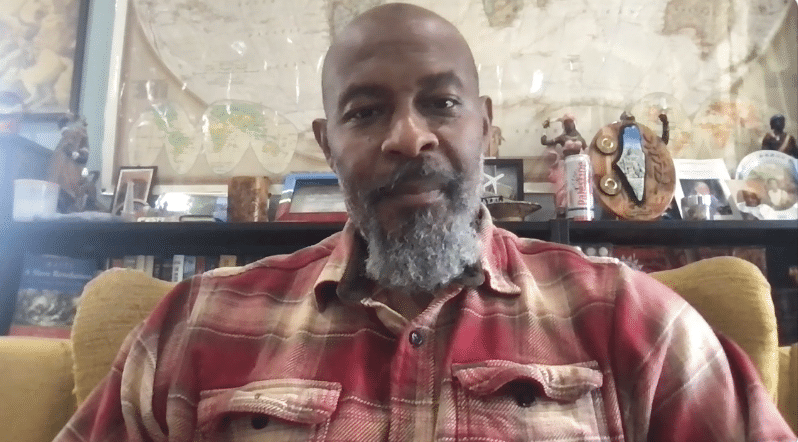
Kali Akuno on the US Midterms, Movement Power and Economic Democracy
In this urgent, wide-ranging conversation, Kali Akuno—co-founder of Cooperation Jackson—examines the 2026 US midterm elections from the ground in Jackson, Mississippi. He describes a city transformed by population loss, state disinvestment, failing infrastructure and a shift from Black working-class political power towards affluent white influence. Yet he also finds signs of renewed movement energy, especially among young people responding to racism, economic abandonment and organized white supremacy.
Akuno cautions against reading Democratic victories as proof of a durable progressive coalition. Electoral change, he argues, grew from years of grassroots organizing, but also from anger over inflation, tariffs, collapsing farm markets, fuel prices and the material costs of US wars. Mississippi and Michigan reveal different political histories: one shaped by Southern racial power, the other by labour traditions and longstanding Black, Arab and Muslim organizing.
The central challenge begins after election day. Movements must not become campaign machinery that politicians discard once elected. Akuno calls for sustained pressure, protest, strategic disruption and independent organization capable of holding even the “less bloody” choice accountable. Relief from authoritarian danger must not become a return to imperial normality.
The discussion moves from Gaza, Iran and changing attitudes towards Israel to AIPAC’s influence inside both major parties. Akuno also explores the fragile political economy of artificial intelligence: speculative investment, data-centre expansion, public subsidy, environmental costs and an economy that creates remarkably few lasting jobs.
He insists that political education must connect household hardship to militarism, empire and financialized capitalism, while developing cooperative structures that let communities retain young people, meet their needs and govern their own futures with collective confidence.
Combining local experience with international analysis, this conversation asks what elections can—and cannot—deliver. It is a clear-eyed argument for building durable institutions, economic democracy and popular power beyond the ballot box.
Comments (0)